“In him you have brought us out of error into truth, out of sin into righteousness, out of death into life” (Book of Common Prayer, p. 368).
As Episcopalians, we are followers of Jesus Christ, and both our worship and our mission are in Christ’s name. In Jesus, we find that the nature of God is love, and through baptism, we share in his victory over sin and death.
“Holy Baptism is full initiation by water and the Holy Spirit into Christ’s Body, the Church” (Book of Common Prayer, p. 298).
In the waters of baptism, we are reminded that we belong to God and nothing can separate us from the love of God. We also find ourselves part of an extended family, one with Christians throughout the ages and across the world, what we call the “one, holy, catholic [meaning 'universal'], and apostolic Church.”
"We thank you for assuring us in these holy mysteries that we are living members of the Body of your Son, and heirs of your eternal kingdom" (Book of Common Prayer, p. 366).
It goes by several names: The Lord's Supper, Holy Communion, the Eucharist (which literally means "thanksgiving"), mass. But whatever it’s called, this is the family meal for Christians and a foretaste of the heavenly banquet. As such, all persons who have been baptized, and are therefore part of the extended family that is the Church, are welcome to receive the bread and wine, and be in communion with God and each other.
"Blessed Lord, who caused all holy Scriptures to be written for our learning: Grant us so to hear them, read, mark, learn, and inwardly digest them" (Book of Common Prayer, p. 236).
It is our foundation, understood through tradition and reason, containing all things necessary for salvation. Our worship is filled with Scripture from beginning to end.
“The Creeds are statements of our basic beliefs about God” (Book of Common Prayer, p. 851).
We will always have questions, but in the two foundational statements of faith – the Apostles’ Creed used at baptism, and the Nicene Creed used at communion – we join Christians throughout the ages in affirming our faith in the one God who created us, redeemed us, and sanctifies us.
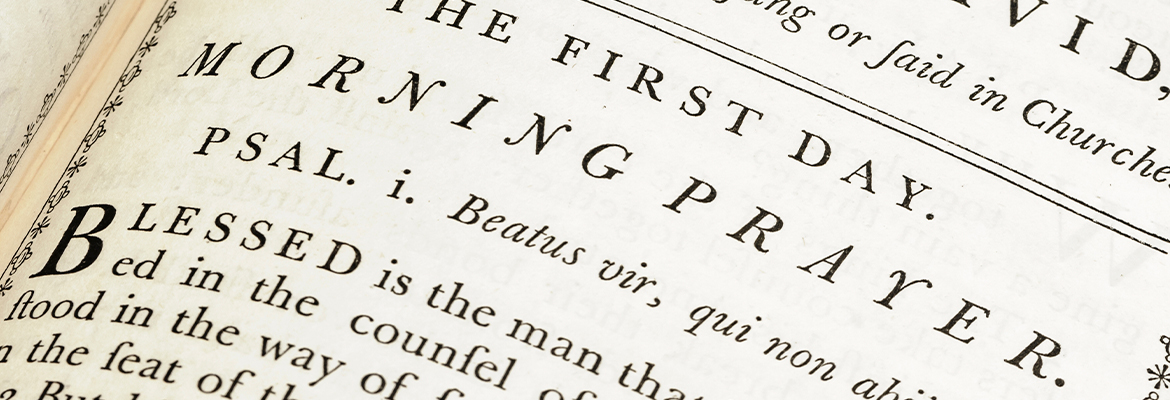
"It is a most invaluable part of that blessed ‘liberty wherewith Christ hath made us free,’ that in his worship different forms and usages may without offence be allowed, provided the substance of the Faith be kept entire" (Book of Common Prayer, p. 9).
The Book of Common Prayer is a treasure chest full of devotional and teaching resources for individuals and congregations, but it is also the primary symbol of our unity. We, who are many and diverse, come together in Christ through our worship, our common prayer.
“Sacraments are outward and visible signs of inward and spiritual grace” (Book of Common Prayer, p. 857).
Besides baptism and the Eucharist (Holy Communion), the church recognizes other spiritual markers in our journey of faith. These include: Unction (anointing with oil those who are sick or dying), Matrimony (Christian marriage), Confirmation (the adult affirmation of our baptismal vows), Reconciliation of a Penitent (private confession), Holy Orders (ordination to deacon, priest, or bishop) These help us to be a sacramental people, seeing God always at work around us.
Our hymnal draws all Episcopalians together musically in the same way that the Book of Common Prayer draws us together in prayer and liturgy. Most recently revised in 1982, The Hymnal of the Episcopal Church offers 720 hymns in addition to liturgical music. While some of the hymns date back to monastic chants, the hymnal offers more modern music as well. "The Hymnal 1982 retains the best of the past and sets forth many riches of our own time. [The Standing Commission on Church Music] looked for theological orthodoxy, poetic beauty, and integrity of meaning. At the same time, the Commission was especially concerned that the hymnody affirm 'the participation of all in the Body of Christ the Church, while recognizing our diverse natures of children of God.' … Texts and music which reflect the pluralistic nature of the Church have been included, affording the use of Native American, Afro-American, Hispanic, and Asian material" (Preface, The Hymnal 1982, Church Pension Fund, 1985).